In short
- 1. IBS with visceral hypersensitivity
- 2. Small intestinal bacterial overgrowth (SIBO)
- 3. Constipation
- 4. Lactose or fructose intolerance
- 5. Celiac disease
- 6. Abdomino-phrenic dyssynergia
- What Dr Paliwal recommends
1. IBS with visceral hypersensitivity
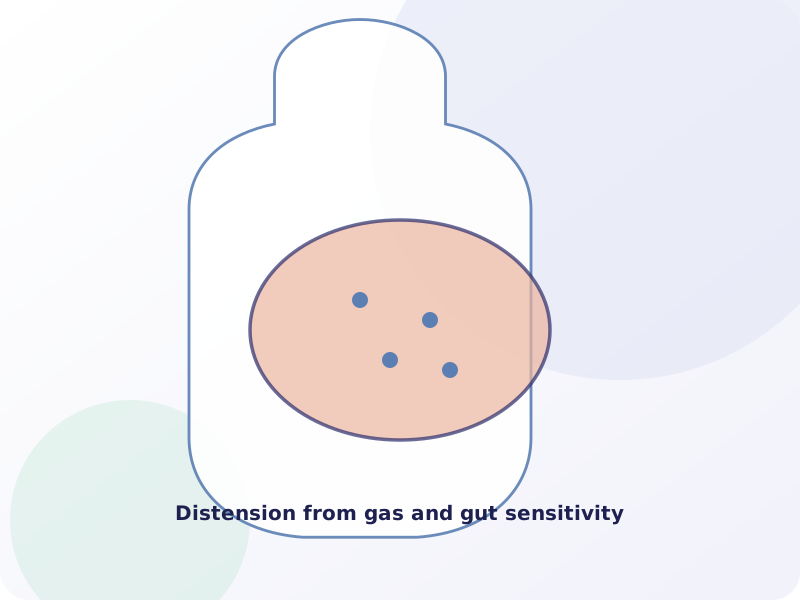
The commonest cause: a normal amount of gas felt as painful distension. Treated with antispasmodics, low-dose neuromodulators and a supervised low-FODMAP diet.
2. Small intestinal bacterial overgrowth (SIBO)
Bacteria in the wrong place ferment food early. Diagnosed with a hydrogen/methane breath test; treated with targeted antibiotics and correction of the cause (slow motility, PPIs, previous surgery).
3. Constipation
A loaded colon ferments longer. Treat the constipation — and check for dyssynergia if straining is a feature.
4. Lactose or fructose intolerance
Milk, sweets, fruit juice and honey feed the bloat. A breath test tells you which, so you restrict only what matters.
5. Celiac disease
Under-recognised in North India. A simple blood test (anti-tTG) while still eating wheat, confirmed by endoscopic biopsy.
6. Abdomino-phrenic dyssynergia
In some people the diaphragm descends and the abdominal wall relaxes after meals — visible distension with little gas. Biofeedback-based retraining helps.
What Dr Paliwal recommends
Do not self-restrict foods for months. A structured evaluation at a clinic with a breath-test lab and dietitian finds the cause in a couple of visits.

Dr Maneesh Paliwal
MBBS, MD, DM Gastroenterology & Hepatology (SGPGI), SCE (UK). Senior Consultant, PSRI Hospital; founder, Gut Liver Obesity Clinic, Chittaranjan Park. 22+ years; founded Delhi's first luminal GI lab.